What is actually changing?
The removal of Section 21 does not mean landlords lose the ability to regain possession of their properties.
It means that:
- Possession must be justified through defined legal grounds
- Processes become more structured and evidence-based
- Tenancies effectively become more secure for occupants
This is not the removal of control.
It is the removal of flexibility without justification.
The real shift: risk and responsibility
For many years, Section 21 has acted as a fallback.
If something went wrong:
- Poor tenant selection
- Weak referencing
- Informal management
There was always a relatively straightforward route to reset.
That dynamic is changing.
Going forward, the emphasis moves to:
- Getting the tenant decision right at the outset
- Maintaining clear documentation
- Operating within a defined, process-driven framework
In practical terms, the margin for error reduces.
Market impact: short-term noise vs long-term direction
There is a lot of speculation about landlords exiting the market.
That may happen in some cases, particularly where:
- Portfolios are not systemised
- Compliance is seen as a burden rather than part of the business
- Decisions have historically been reactive rather than structured
However, there is another side to this.
As standards increase:
- Barriers to entry rise
- Informal operators are filtered out
- The sector becomes more professionalised
Historically, in most industries, that benefits those already operating at a higher level.
Operational reality
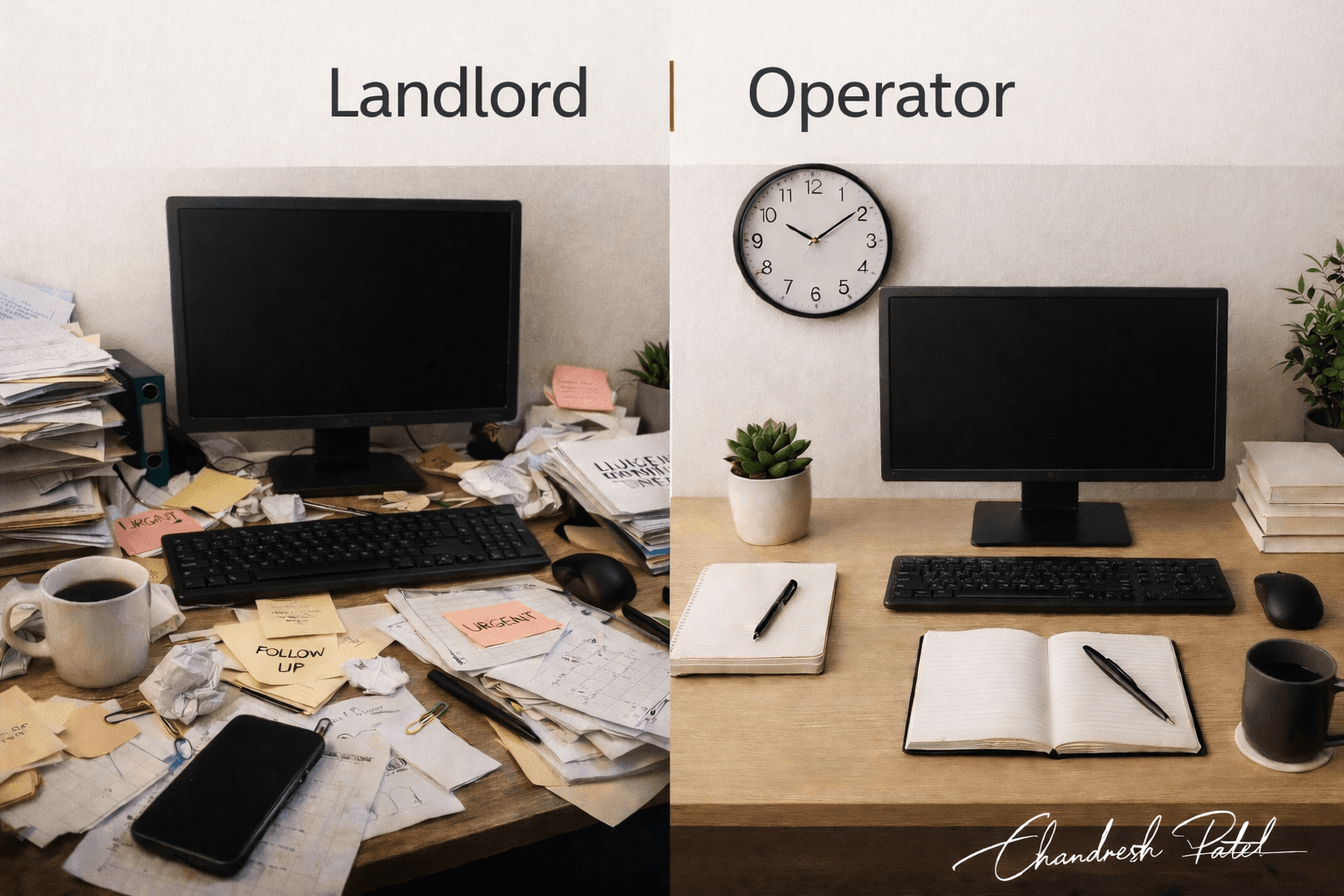
In a more regulated environment, outcomes are increasingly driven by process rather than flexibility.
That means:
- Tenant underwriting becomes critical
- Systems and management infrastructure become non-negotiable
- Assets need to be viewed and operated as long-term investments
This is less about adapting to a single piece of legislation and more about aligning with the direction the sector is moving in.
Conclusion
The Renters’ Rights Bill is not simply a policy change.
It is a shift in how residential property needs to be operated.
Those relying on flexibility and informal practices may find the environment more challenging.
Those who approach property as a structured business, with clear systems and long-term thinking, are likely to remain well positioned.
This article is provided for general information only and does not constitute legal, tax, or investment advice. Any decisions should be made based on your own circumstances and with appropriate professional guidance.